
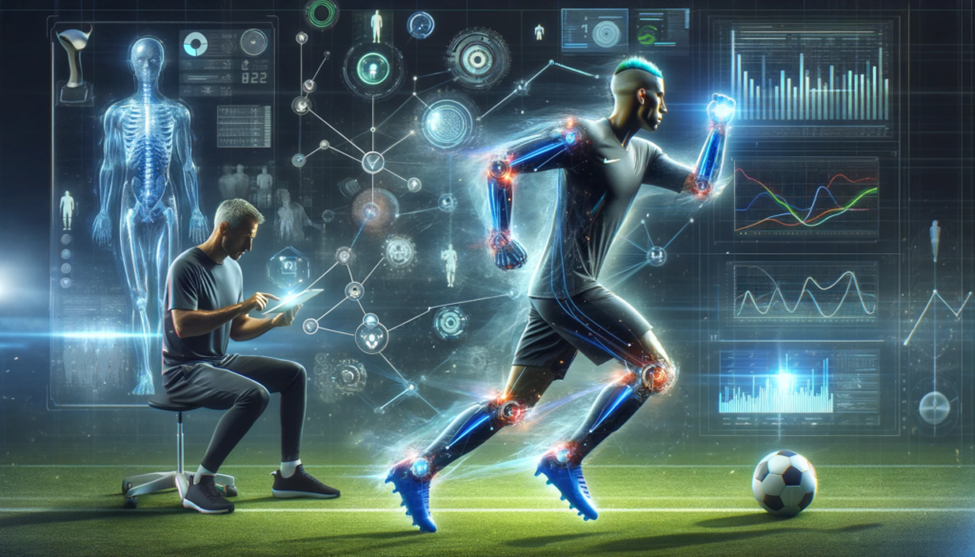
The integration of artificial intelligence (AI) and data analytics in sports has revolutionized the way athletes train, compete, and recover. What was once driven solely by intuition and experience is now guided by precise data and intelligent systems that track every move and metric. Modern athletes, teams, and coaches are turning to advanced technology to refine their strategies, monitor player health, and maximize performance outcomes. Even platforms like luongsontv are contributing to this transformation by showcasing how data-backed insights shape the way sports are played today.
The Rise of Data-Driven Training in Modern Sports
Data analytics has become a cornerstone of professional sports training. From wearable trackers to AI-powered video analysis, athletes today have access to more information than ever before. This data-centric approach has fundamentally changed how players prepare for competition, shifting the focus from general workouts to highly targeted performance optimization.
- Performance Metrics: Athletes now monitor speed, strength, endurance, and reaction time through sensors and biometric data.
- Personalized Training Plans: Machine learning algorithms help design training routines customized for each player’s physiology and goals.
- Injury Prevention: AI systems analyze stress loads on muscles and joints, predicting when a player might be at risk of overtraining.
- Game Readiness: Coaches use data to simulate real match scenarios, improving tactical awareness and situational responses.
The result is a more scientific and individualized approach to athletic development, where every decision is supported by concrete evidence.
How Artificial Intelligence Enhances Performance Analysis
AI tools have taken traditional sports analytics to the next level. Instead of relying solely on human observation, AI systems can process vast amounts of data in real-time, identifying trends and patterns that might otherwise go unnoticed. This capability has made performance analysis faster, more accurate, and actionable.
- Video Breakdown: AI algorithms review match footage frame by frame, pinpointing areas of improvement.
- Predictive Modeling: Machine learning predicts future performance based on historical data and training trends.
- Tactical Insights: Teams gain deep insights into opponent strategies by analyzing game data and movement patterns.
- Player Comparisons: AI can benchmark an athlete’s performance against elite players to highlight growth opportunities.
By transforming raw data into meaningful insights, AI empowers coaches and athletes to make smarter training and tactical decisions.
Wearable Technology and Smart Equipment in Sports Training
Wearable tech has become a game-changer for athletes across all levels. From smartwatches to motion sensors embedded in clothing and equipment, these devices collect and transmit data in real-time, allowing coaches to make on-the-spot adjustments to training intensity and techniques.
- Heart Rate and Oxygen Monitoring: Helps gauge endurance and cardiovascular efficiency.
- Motion Sensors: Track agility, acceleration, and balance during drills or gameplay.
- Sleep and Recovery Analysis: Provides insights into rest quality, essential for muscle recovery and performance.
- Smart Footwear and Apparel: Embedded chips measure stride length, pressure, and balance for sport-specific improvements.
This technology bridges the gap between training and data, making every session a learning experience that pushes athletes toward continuous improvement.
AI in Injury Prevention and Rehabilitation Programs
Injuries have long been a critical challenge in sports, often derailing the careers of even the most talented players. AI and data analytics have introduced predictive models that help reduce this risk by identifying potential injury triggers before they occur.
- Biomechanical Analysis: AI systems study an athlete’s movement patterns to detect irregularities that may lead to injuries.
- Workload Management: Data-driven insights ensure players are not overexerting themselves during training or matches.
- Customized Recovery Plans: AI creates tailored rehabilitation programs based on the severity and type of injury.
- Monitoring Recovery Progress: Sensors and analytics tools track healing in real time, ensuring athletes return to competition safely.
These technologies not only reduce downtime but also extend the longevity of athletic careers by promoting smarter and safer training habits.
Tactical Strategy and Team Coordination Through Data
Modern sports teams are no longer relying solely on the instincts of coaches. Instead, they employ data analysts and AI engineers to interpret complex datasets that improve tactical planning and player coordination. AI systems break down game footage, player positioning, and ball movement to identify areas for tactical refinement.
- Formation Optimization: Analytics reveal which formations yield the best performance against certain opponents.
- Player Synergy: Data helps coaches understand how well teammates complement each other’s playstyles.
- Match Simulation: AI-powered simulations allow teams to test strategies virtually before applying them in real matches.
- Opposition Scouting: Real-time data helps teams anticipate their rivals’ tactics and counter them effectively.
This analytical approach allows for smarter strategy development and ensures teams are always tactically prepared for high-stakes situations.
Real-Time Decision-Making and Fan Experience Enhancement
AI and data analytics are not only improving training but also transforming how fans experience sports. During trực tiếp bóng đá, broadcasters and teams now provide real-time data overlays, predictive insights, and live statistics to engage audiences like never before.
- Live Performance Tracking: Fans can see players’ heart rates, speeds, and performance scores during live matches.
- Predictive Highlights: AI selects and curates the most exciting moments based on crowd reactions and gameplay intensity.
- Enhanced Commentary: Broadcasters use AI-powered analytics to offer deeper insights during live coverage.
- Interactive Fan Engagement: Fans can make predictions, access statistics, and compare data in real time during broadcasts.
This blending of sports, data, and entertainment has redefined how fans connect with the game, offering a more interactive and educational viewing experience.
AI’s Role in Mental and Cognitive Training for Athletes
Physical prowess is no longer the only factor determining athletic excellence—mental sharpness and decision-making are equally vital. AI and analytics are now being used to enhance the psychological and cognitive aspects of performance.
- Virtual Reality (VR) Training: Immersive simulations help athletes practice decision-making in realistic scenarios.
- Neurofeedback Systems: Track brainwave activity to measure focus, stress, and reaction time.
- AI Coaching Assistants: Provide cognitive exercises that improve memory, anticipation, and adaptability.
- Emotion Recognition Tools: AI detects emotional states through facial expressions and biometric data, allowing coaches to adjust training methods accordingly.
These innovations help athletes build mental resilience, improve concentration under pressure, and enhance overall game intelligence.
A Broader Perspective on the Future of AI and Data Analytics in Sports Training
In conclusion, the fusion of AI and data analytics with sports training has ushered in a new era of precision, efficiency, and performance optimization. From predictive injury prevention to tactical analysis and fan engagement, the influence of these technologies is undeniable. The data-driven approach ensures that athletes don’t just train harder—they train smarter. Platforms, analytics software, and intelligent wearables continue to push the boundaries of what’s possible, enabling both professional and amateur players to reach their full potential.
As AI continues to evolve, the future of sports will be defined by intelligent systems that merge human intuition with machine precision. Whether it’s on the field, in the gym, or through broadcast experiences, the partnership between data and athleticism is set to transform the global sports landscape forever—making the next generation of athletes faster, stronger, and more strategic than ever before.
