
Introduction
Polygraph test can be an intense and anxiety-provoking experience, particularly in Florida where the practice is regulated under unique legal and professional conditions. This article serves as your definitive guide to understanding the polygraph process in Florida: from how it technically operates and what phases you’ll navigate, to legal status, professional credentials, and realistic expectations. Whether you’re a job applicant, a defendant, or merely curious, this deep dive helps demystify what lies ahead when taking a polygraph test in the Sunshine State.
How Polygraph Tests Work
The polygraph—or lie detector test—operates by recording physiological indicators such as blood pressure, heart rate, respiration, and skin conductivity while you respond to a series of questions. The underlying belief is that deceptive responses generate measurable physiological reactions compared to truthful answers. However, no specific physiological signature of lying exists, making interpretation inherently speculative.
Before testing, the examiner explains the process, often conducting a “stim test”—asking you to deliberately lie—to demonstrate the machine’s detection. Then, the test proceeds through structured question categories: irrelevant, control (or diagnostic), and relevant questions. Responses are compared to determine if there’s heightened arousal during relevant questions that might indicate deception.
What to Expect: The Four Phases of Polygraph Testing
Polygraph exams generally unfold in four distinct phases:
- Initial Interrogation & Pre-Test Phase
This stage involves background discussion, explanation of test mechanics, and informed consent. The examiner outlines ground rules and ensures you understand the process, your rights, and how questions will be categorized. - In-Test Phase (Polygraph Exam)
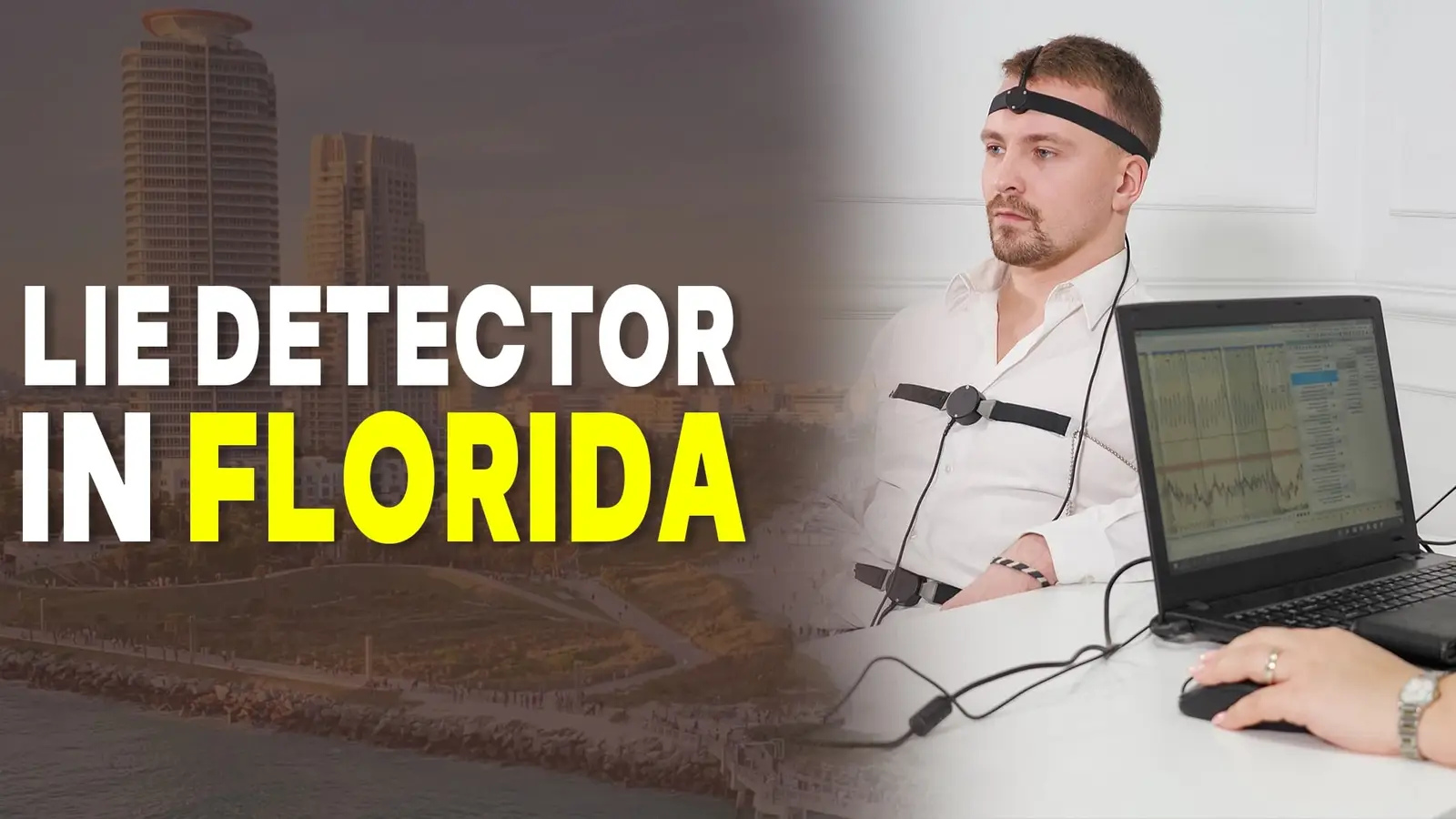
Sensors are attached to your fingertips and chest to monitor physiological activity. The examiner alternates between irrelevant, control, and relevant questions. For comparison, your responses to each type of question are charted and analyzed. - Post-Test Phase
After the questionnaire, your physiological data undergoes preliminary analysis. The examiner may review results with you, though interpretations remain advisory or for investigative uses—especially in Florida, where court admissibility is highly restricted. - Follow-Up Investigation (If Necessary)
Sometimes, outcomes lead to deeper investigation or additional interviews, depending on the test’s context—such as employment screening, probationary supervision, or pretrial inquiries Lie Detector Test.
Navigating a Polygraph Test in Florida: Local Rules & Realities
No State Licensing, However Professional Standards Exist
Florida does not require polygraph examiners to hold a state-specific license. There’s no oversight body or standardized regulatory framework tied to the Florida Department of Business and Professional Regulation Lie Detector Test. Instead, many practitioners pursue voluntary certification from bodies like the American Polygraph Association (APA) to uphold ethical conduct, training, and industry standards Lie Detector Test.
Legal Admissibility: Almost Always Inadmissible
Florida courts have consistently ruled that polygraph results are inadmissible as evidence, to safeguard judicial integrity. The Florida Supreme Court has explicitly rejected their admissibility even under Frye or Daubert standards, concluding that they lack reliability and general scientific acceptanc. The one narrow exception applies only if both parties explicitly agree in advance to admit the results—something rarely seen in practice.
Common Applications: Hiring & Supervision
- Law Enforcement Recruitment
Many Florida police departments (e.g., Miami-Dade, Tampa) use polygraph tests as part of pre-employment vetting. However, results are not binding. Failing doesn’t necessarily disqualify a candidate, though it may prompt deeper background scrutiny. Refusal to test may be frowned upon or lead to disqualification, depending on agency policy - Monitoring Sex Offenders
Though not Florida-specific in the resources retrieved, federal guidelines and similar state practices often mandate regular polygraph testing of sex offenders under supervision, aimed at assessing compliance, risk, and discouraging re-offense.
Federal Oversight for Private Employers: EPPA
Federal law, primarily via the Employee Polygraph Protection Act (EPPA) of 1988, restricts how private employers may use polygraphs. Generally, private companies may not require or screen job applicants with polygraphs or take adverse action if someone refuses. Only limited sectors, such as security services and pharmaceuticals, are exempt. Importantly.
The Bigger Picture: Accuracy, Limitations & Countermeasures
Scientific consensus remains skeptical of polygraphs as reliable truth detectors. Reviews from the National Academy of Sciences and other bodies confirm polygraphs produce significantly imperfect results, with error rates amplified outside controlled conditions. False positives—especially from innocent but anxious individuals—are a known risk.
Moreover, individuals may employ countermeasures—tactics to distort physiological responses, such as mental stress manipulation during control questions or altering breathing—to intentionally skew results.
Tips for Taking a Polygraph Test in Florida
If you are scheduled to take a polygraph, here’s what can help make the process clearer:
- Ask About the Purpose
Understand whether the test is part of hiring, legal supervision, personal validation, or investigation. - Verify Examiner Credentials
Look for APA or equivalent certification, especially in settings like criminal supervision or sensitive roles. - Know Your Rights
In private employment, you generally can refuse the test under EPPA protections. In law enforcement screening, refusal or poor performance might have consequences. - Manage Stress—but Don’t Feign Calmness
Natural anxiety doesn’t automatically indicate deception—but extreme efforts to appear calm can look suspicious. Striving for honesty, clarity, and composure is usually best.
Lie Detector Test Locations
Florida
- Boca Raton – 9856 Clint Moore Road Suite C111-147, Boca Raton, FL
- Fort Lauderdale – 6750 North Andrews Avenue Cypress, Park West, Fort Lauderdale, FL
- Pensacola – 545 Brent Ln, Pensacola, FL
- West Palm Beach – 2054 Vista Parkway Emerald View, #400, West Palm Beach, FL
- Jacksonville – 10752 Deerwood Park Blvd Deerwood, Suite 100, Jacksonville, FL 32256
Conclusion
Taking a polygraph in Florida can feel overwhelming, but understanding how the process works, what legal weight it carries—or doesn’t carry, and how and why it’s used—empowers you. While polygraph tests remain a tool in law enforcement, sex offender supervision, and private investigations, they are scientifically imperfect and mostly excluded from legal proceedings. Whether you’re preparing for one or advising someone else, approach it with clarity, informed rights, and realistic expectations.
